Raccoon Removal Toronto — Humane, Licensed & Guaranteed
Tired of hearing heavy thumping and scratching above your bedroom ceiling? We are GTA’s dedicated 24/7 emergency raccoon specialists permanently sealing every entry point. Book your inspection now and sleep peacefully knowing your home is sealed.
- 24/7 Emergency Response
- Dead Raccoon Removal & Cleanup
- Humane Trapping & Exclusion
- Licensed & Insured Experts
- Licensed by Ontario MNRF
- 150+ Five-Star Reviews
- Serving Toronto Since 2018
Fill The Form Below To Get Free Quote
Spring Denning Season Is Underway in Toronto
Female raccoons are actively seeking attic space to give birth between March and May. Every night of delay risks a full litter nesting in your insulation removal becomes significantly harder and more costly once kits are present. Scent trails are established within 48–72 hours.
Why Toronto Homes Are Especially Vulnerable
Toronto’s older housing stock, dense urban tree canopy, and temperate climate create near-perfect conditions for year-round raccoon activity particularly in older neighbourhoods.
01
Aging Roof Lines
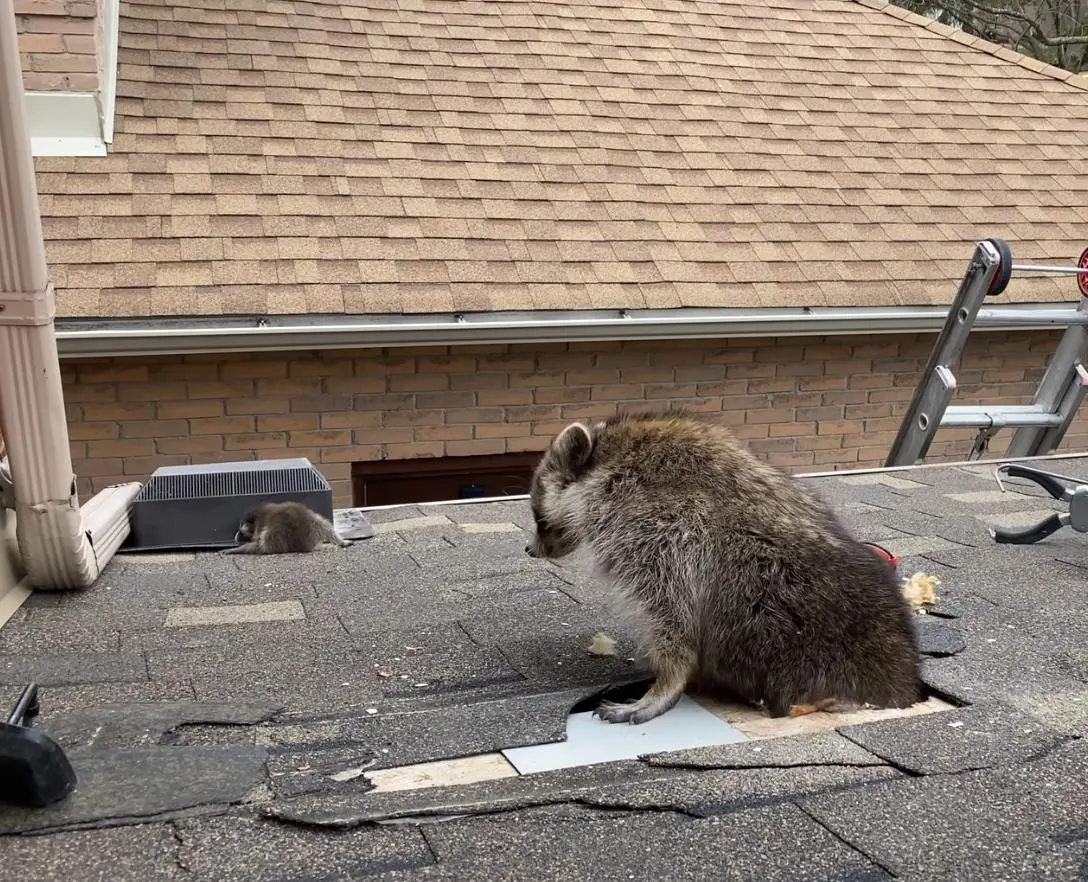
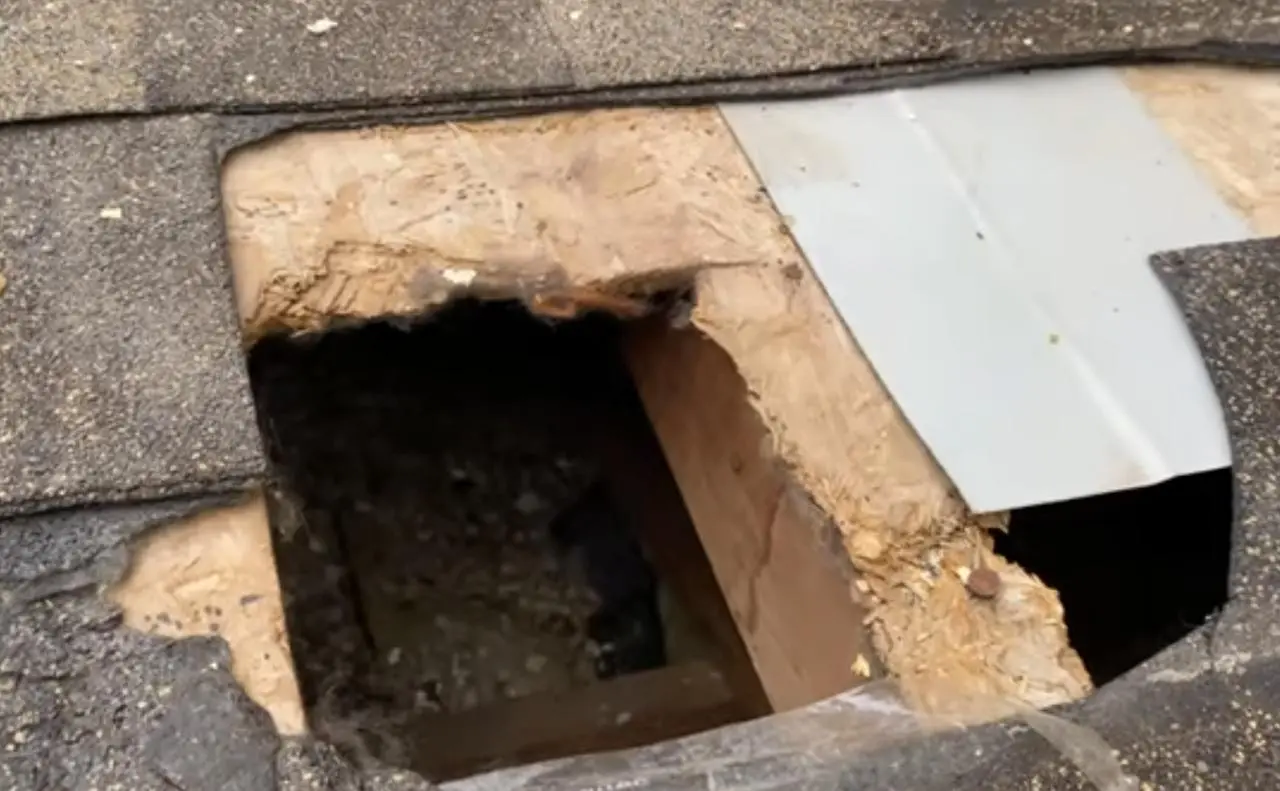
Pre-1980s homes across The Annex, Riverdale, and Leslieville have soffit joints and fascia boards that loosen over time. Raccoons exploit gaps as small as 4 inches to access attic space within hours of discovery.
02
Dense Tree Canopy
Toronto’s urban forest gives raccoons direct rooftop access across North York, East York, and Etobicoke. Any tree limb within 10 feet of your roofline is a guaranteed raccoon entry highway.
03
Urban Food Sources
Green bins, compost piles, and restaurant waste corridors keep Toronto’s raccoon population dense and bold. Scarborough and Mississauga borders see some of the highest intrusion rates per square block in the GTA.
04
Spring Denning Pressure
March through May is peak denning season. Pregnant females aggressively target warm, dry attic voids. Once kits are born, removal must follow strict MNRF-compliant timelines — making early action essential.
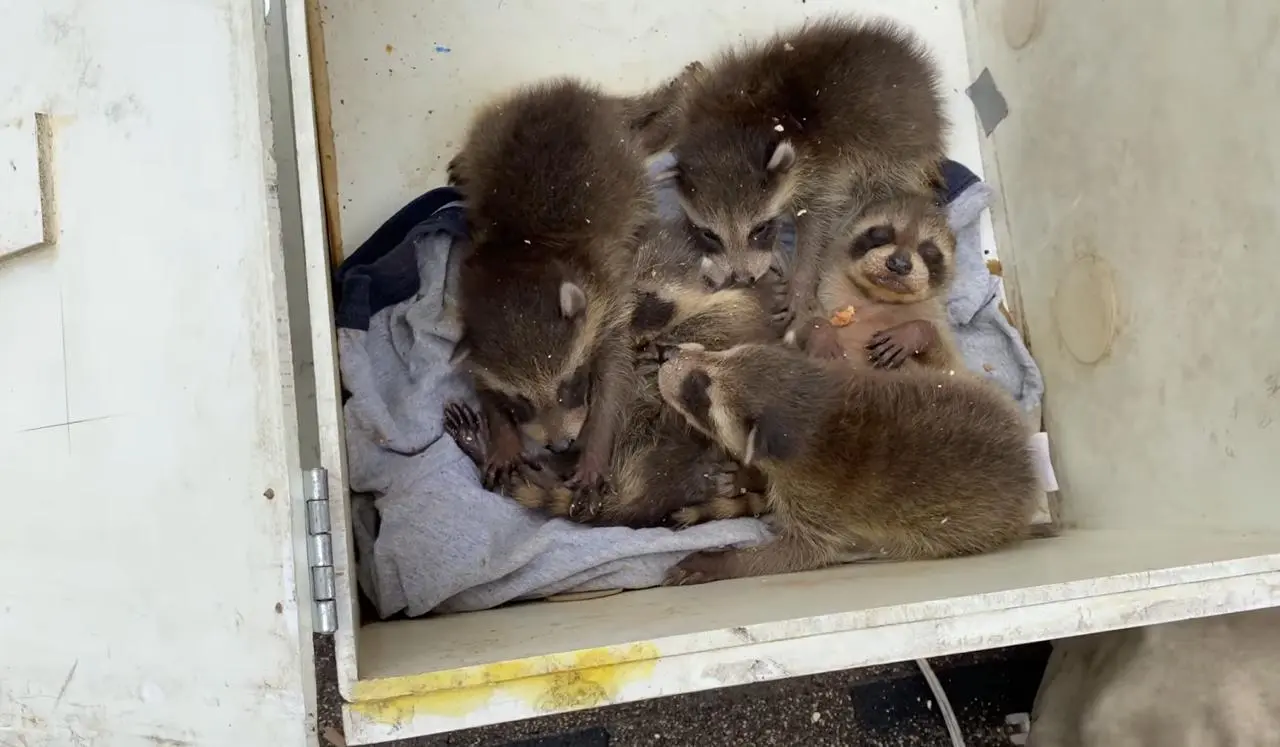
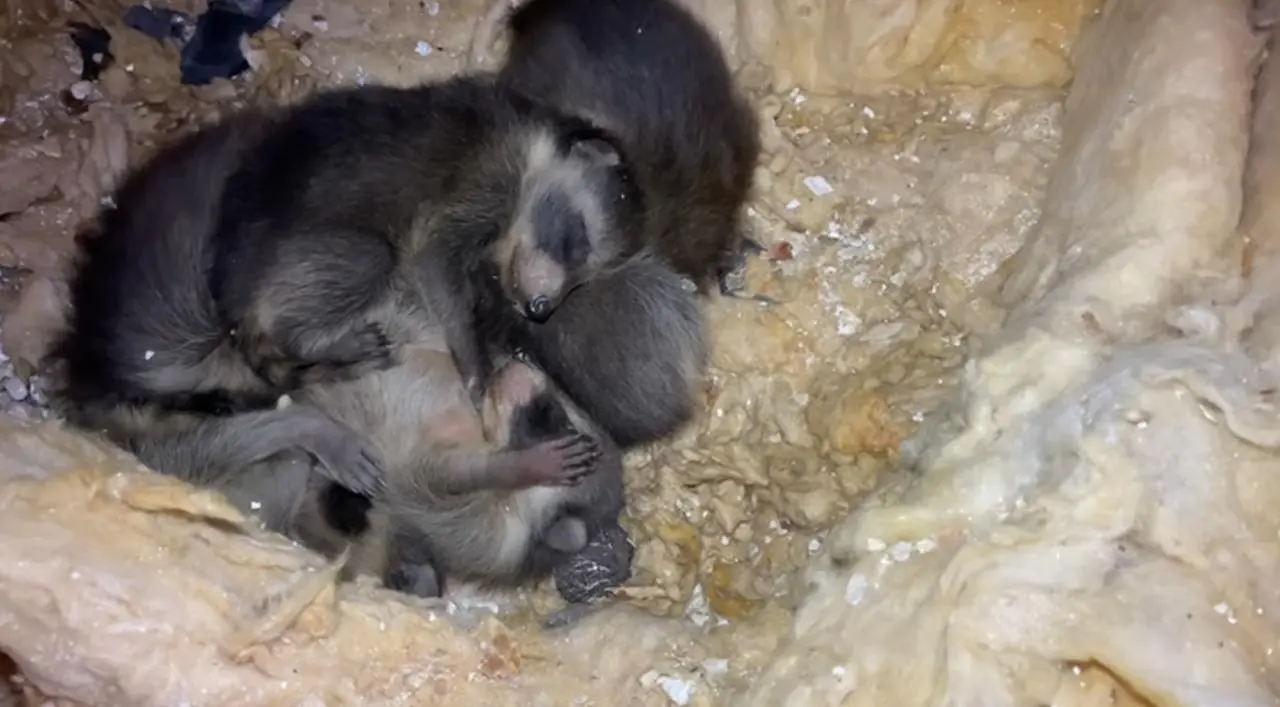
Raccoon Kits in Your Home — What You Need to Know
Toronto’s older housing stock, dense urban tree canopy, and temperate climate create near-perfect conditions for year-round raccoon activity particularly in older neighbourhoods.
Ontario MNRF Warning — Do Not Attempt DIY Removal If Kits Are Present
Under Ontario wildlife regulations, separating a nursing mother from her kits without an approved reunification protocol is illegal and causes the kits to die within 24–48 hours. Our team is fully licensed and trained to handle raccoon family units correctly. Call us before taking any action.
When Are Kits Born in Toronto?
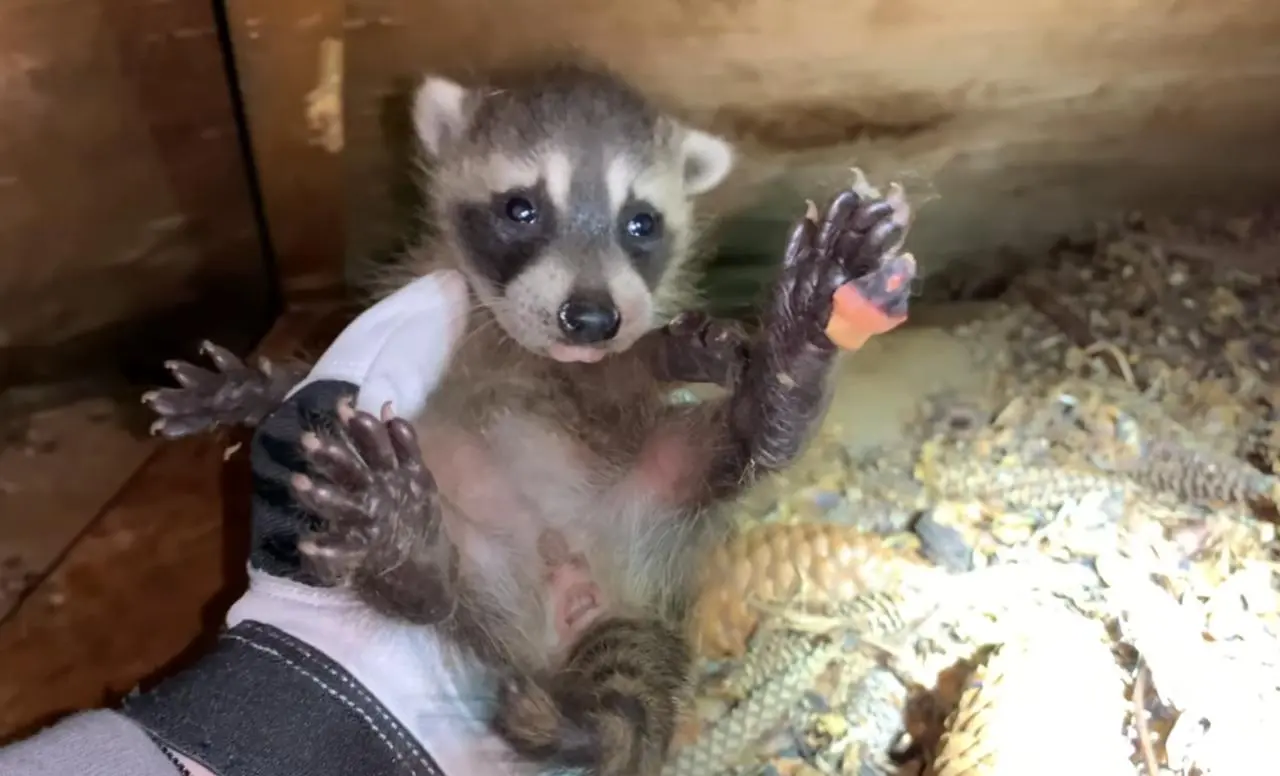
Most litters arrive between late March and early May. Litter sizes range from 3 to 6 kits. Newborns are blind, deaf, and fully dependent on their mother for 8–10 weeks — they cannot survive separation during this window.
Why Does She Choose Your Attic?
Attics mimic natural tree cavities — warm, dry, dark, and elevated. A pregnant female will tear through soffit boards and vent screens to reach your attic. She typically selects her den 1–2 weeks before giving birth.
How Long Does Kit Removal Take?
When kits are confirmed, MNRF-compliant removal takes 4–6 weeks using a humane reunification process. Rushing this timeline is illegal and causes the mother to panic — increasing attic damage significantly.
Does It Cost More?
Kit-present removals require additional monitoring visits, a longer timeline, and reunification box setup — typically $150–$300 more than standard removal. Still far less costly than failed DIY attempts and attic restoration.
Our Baby Raccoon Removal Timeline
Every step is MNRF-compliant and documented with time-stamped photos for your records.
Day 1 — Inspection & Kit Confirmation
We confirm whether kits are present, estimate their age, and locate the nest. This determines the exact removal method and timeline. Full photo report delivered the same day.
Day 2 — Reunification Box Setup
A heated reunification box is placed near the primary entry point. The mother is encouraged — never forced — to move her kits voluntarily. This keeps the family intact.
Day 3 to 4 — Monitoring & Verification
We monitor the nest site regularly to confirm all kits have been relocated. The entry remains temporarily open during this period to avoid trapping animals inside.
Day 4 — One-Way Door Installation
Once all kits are confirmed relocated, one-way exclusion doors are installed. The mother exits on her own schedule and cannot return.
Final — Full Exclusion & Sanitation
All entry points sealed with heavy-gauge galvanized steel mesh. HEPA vacuum, enzyme deodorizer, and insulation assessment completed.
How to Tell If Kits Are Present
- High-pitched chirping or mewing from the attic — especially in early morning hours.
- Mother raccoon returning to the same entry point multiple times per day.
- Loud thumping followed by soft shuffling — mother repositioning kits in the nest.
- Activity between March and June — peak denning season across the GTA
- Insulation disturbance visible near roof vents or soffit junction points.
- Sounds stop briefly then resume — mother leaving to forage and returning to nurse.
Hear Chirping in Your Attic?
Kits present means the clock is ticking. Same-day inspection available across Toronto.
Our Proven Process
6-Step Raccoon Removal Process
No traps hidden in walls. No poisons. No guesswork. Every step is documented with photos so you know exactly what was done — and why.
1
Phone Triage
2–5 minute call. You describe sounds, timing, and location. We confirm access details — gate codes, driveway photos — so no site visit is wasted.
2
Full Inspection
Attic, soffits, roof vents, chimney, garage, and foundation. Every gap photographed, GPS-tagged, and severity-rated A, B, or C.
3
Transparent Estimate
Photo report within hours. Clear pricing with no hidden fees. Inspection fee credited toward any approved service — no bait-and-switch.
4
Permanent Exclusion
Heavy-gauge galvanized steel mesh, reinforced vent guards, chimney caps — materials built to last through 10+ Toronto winters without failure.
5
Sanitize & Verify
HEPA vacuum, enzyme deodorizer, and insulation restoration where needed. 7-day follow-up visit confirms all entries remain sealed. Photo proof delivered.
Symptoms & Solutions
What We Fix — Observable Signs to Surgical Remedies
Every repair is documented with photos, severity ratings, and a recommended maintenance plan so remote owners see exactly what changed.
Scratching & Thumping at Night
Raccoon runway activity in attic joists or wall cavities. We locate and map all active trails, then install exclusion at confirmed entry points.
Droppings Under Beams or in Attic
Raccoon latrines form quickly and carry roundworm risk. HEPA vacuuming, enzyme treatment, and insulation assessment completed after removal.
Torn Soffit or Fascia Boards
Common in older Toronto homes after winter. We seal with galvanized steel mesh and metal flashing — not foam, which raccoons tear through in minutes.
Damaged Roof Vents & Chimney
Standard vent screens are no match for a determined raccoon. We replace with reinforced steel vent guards and install chimney caps rated for Canadian winters.
Chewed Wiring or Insulation
A single season of nesting can destroy 40–60 sq ft of insulation and expose wiring. We document all damage with photos suitable for insurance claims.
Rental & STR Turnover Incidents
Guest complaint about scratching or droppings? We offer same-day response for rental properties with discreet arrival and documentation formatted for Airbnb or VRBO.
Real Toronto Homeowners
What Our Clients Say
When I started Raccoon Removal Toronto back in 2019, my focus was simple give Toronto homeowners the kind of honest, reliable service I’d want for my own home. I’m on-site for every job myself, so when you book with us, you’re getting a licensed, experienced technician at your door. Every report includes a job log, dated photos, and my initials, so you always know exactly what was done and when. Whether you live here year-round or own a second property in the city, I bring the local knowledge and hands-on experience to get the job done properly.
Honest Comparison
How We Compare in Toronto
We are not the only option — but we are the only raccoon-only, fully documented, MNRF-compliant service built specifically for the GTA.
| Company | Raccoon Focus | MNRF Compliant | Photo Reports | Transparent Pricing | Rental Support |
|---|---|---|---|---|---|
| Raccoon Removal Toronto (Us) | ✓ Raccoons Only | ✓ Fully Compliant | ✓ Every Job | ✓ Ranges Published | ✓ Multi-Unit Protocol |
| Abell Pest Control | ⚠ 20+ pest types | ⚠ Partial | ✗ None listed | ✗ Call for quote | ✗ None |
| Orkin Canada | ✗ Generic pest mix | ⚠ Standard only | ✗ No system | ✗ Hidden pricing | ✗ Not positioned |
| Hawkeye Bird & Animal | ⚠ Wildlife + birds | ✓ Licensed | ⚠ Partial | ✗ Not published | ✗ No rental protocol |
| HomeShield Pest Control | ✗ Ant/wasp focus | ✗ No wildlife cert | ✗ None | ✗ Hidden | ✗ None |
Seasonal Intelligence
Raccoon Activity Calendar — Toronto
Understanding seasonal timing is the difference between a one-time trap and a permanent fix. Toronto raccoons follow predictable patterns — we plan around them.
March – May (Denning Season)
- Pregnant females target attics and chimneys
- Litter sizes of 3–6 kits demand MNRF protocols
- Removal requires reunification process — plan ahead
- Inspect before kits are born
June – August (Active Foraging)
- Juveniles explore — new entry points opened
- Green bin raids peak during July heat
- Roof damage goes unnoticed without inspection
- Seal gaps before fall pressure begins
Sept – Nov (Pre-Winter Nesting)
- Raccoons seek warm attic space for winter
- Fascia and soffit damage worsens with fall rain
- Activity highest in North York and Etobicoke
- Pre-winter exclusion strongly recommended
Dec – Feb (Winter Denning)
- Raccoons den inside but remain semi-active
- Freeze-thaw cycles widen existing entry gaps
- Scent trails established — harder to erase in spring
- Monitor droppings and sounds weekly